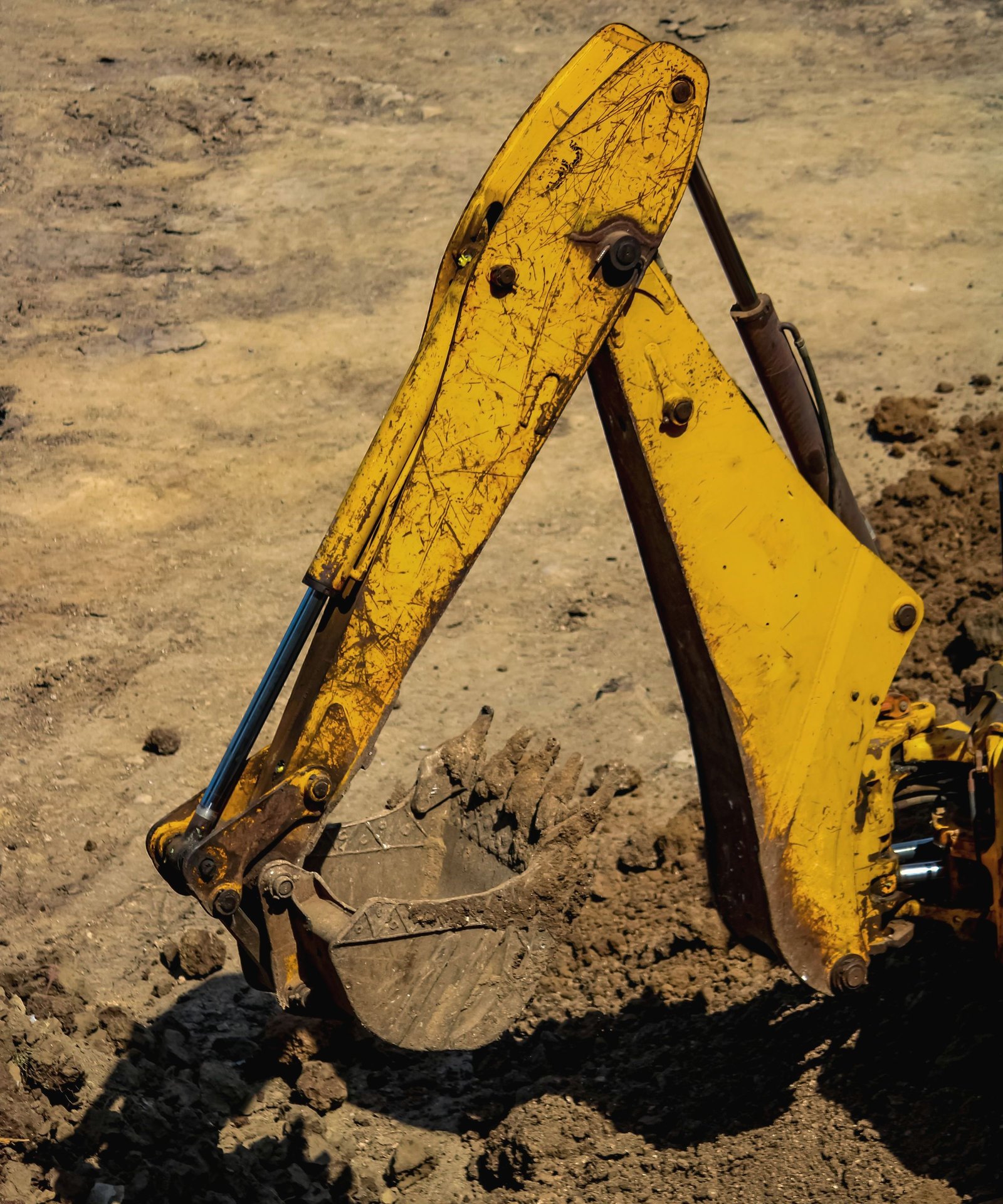
Six jobs, done since 1981.
Basements, septic, sewer taps, trenching, dozing, site prep. Each one below with the part the permits and inspectors play, because that is what people call to ask about.
Basements and crawl spaces
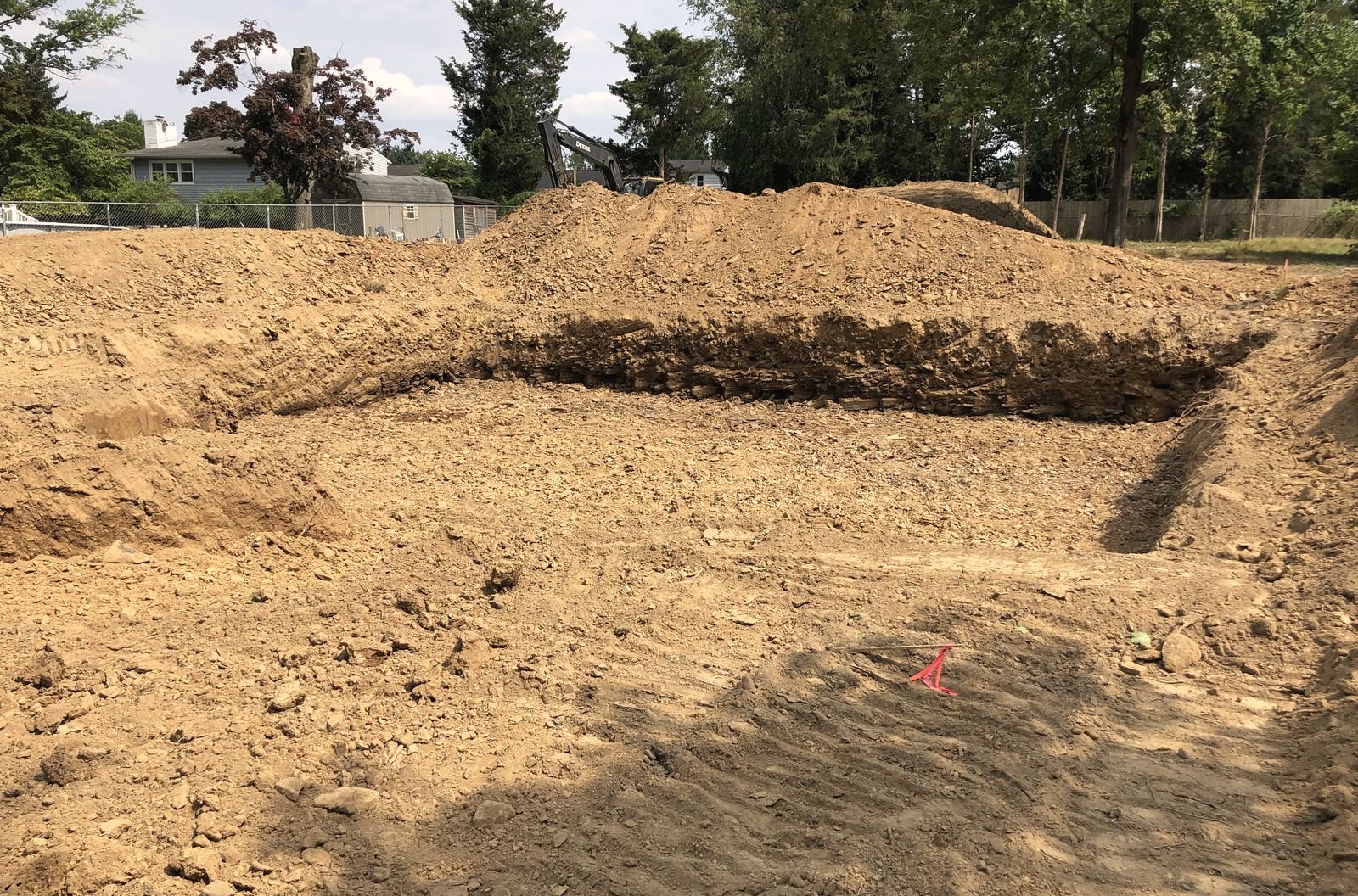
The call we get most. We stake the foundation from the builder's plot plan, strip and stockpile the topsoil, and dig to the footing grade with a laser. The hole is about three feet wider than the walls on each side so the foundation crew has room to form and waterproof.
- Footings below the frost line
Northern Indiana counties call for 36 inches; the county building department confirms the depth for your lot. - 811 before we dig
Two full working days' notice is Indiana law (IC 8-1-26). We file the ticket. - Backfill and rough grade after the walls cure
Finish grade when the framers are out, with the topsoil we saved.
Septic systems
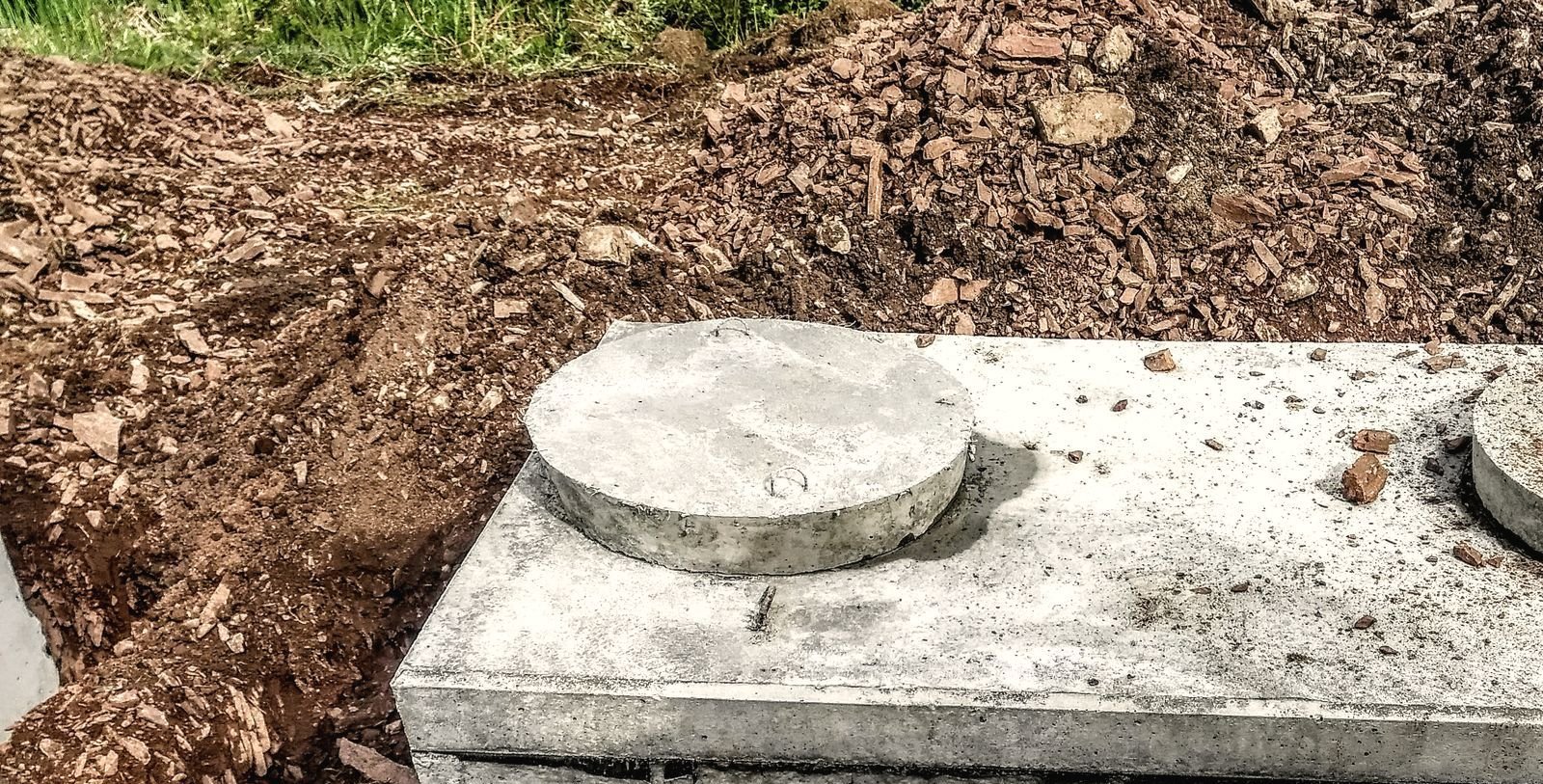
New systems for houses outside the sewer, and replacements when an old field fails. In Allen County the Department of Health's Environmental Services Division permits and inspects every system, and the soil decides what kind of system it is.
- Soil evaluation first
A soil scientist registered with the Indiana Department of Health evaluates the site; the county permit follows the design. - Installed by a registered installer, inspected by the county
Nothing is covered until the inspector has seen it. - Allen County and the counties around it
Whitley, DeKalb, Noble, Huntington and Wells each have their own health department; we work with all of them.
Sewer taps
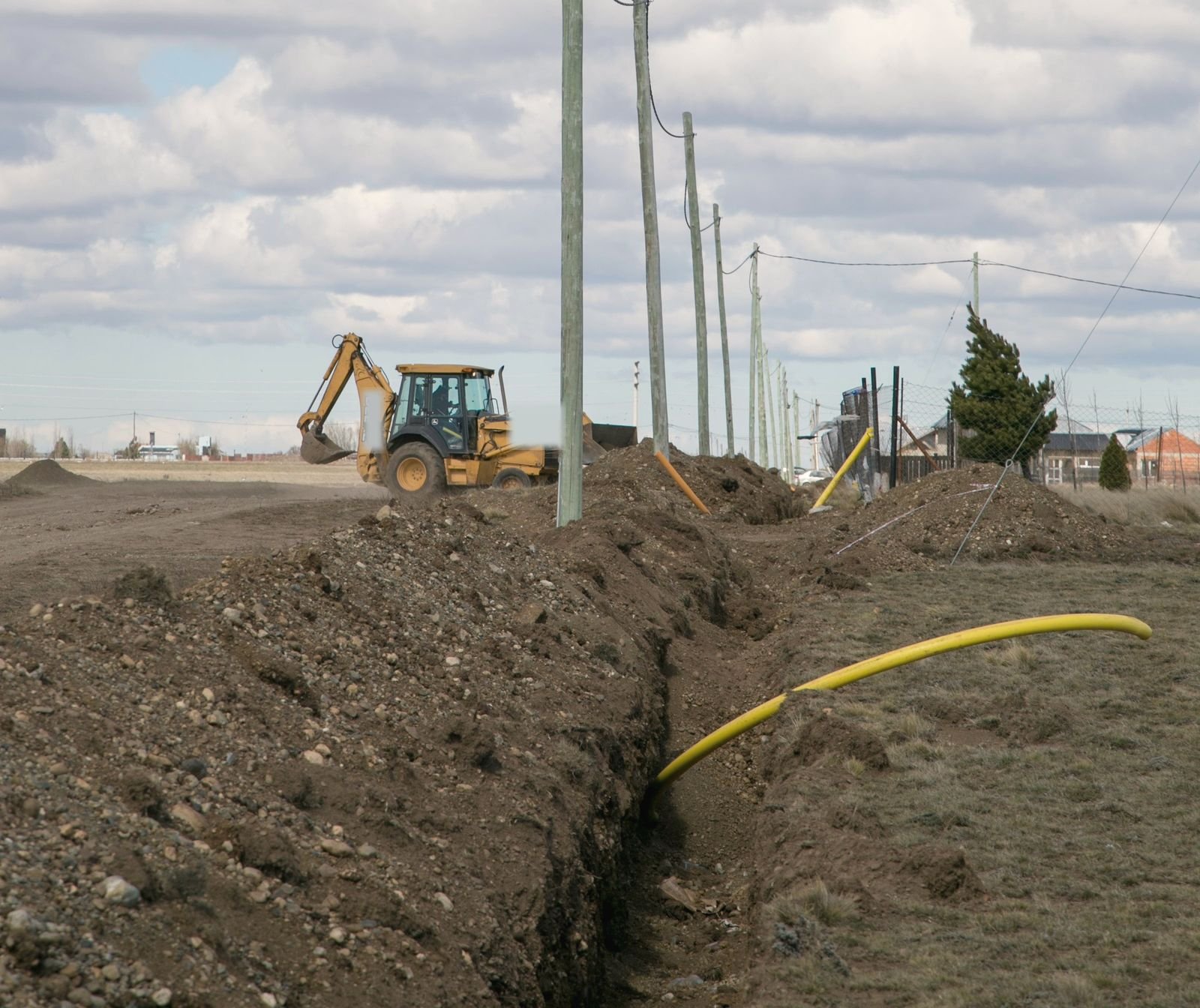
Connecting a new house, or an existing one, to the City sewer. Fort Wayne City Utilities requires that sewer taps be made by a City-licensed sewer tap contractor, and DeWald Excavating is listed by City Utilities as one. The lateral is inspected before we backfill.
- New taps for new construction
- Septic-to-sewer conversions when a main comes through
We make the tap, run the lateral, and take the old tank out of service the way the county requires. - City tap permit and inspection handled with the job
Trenching
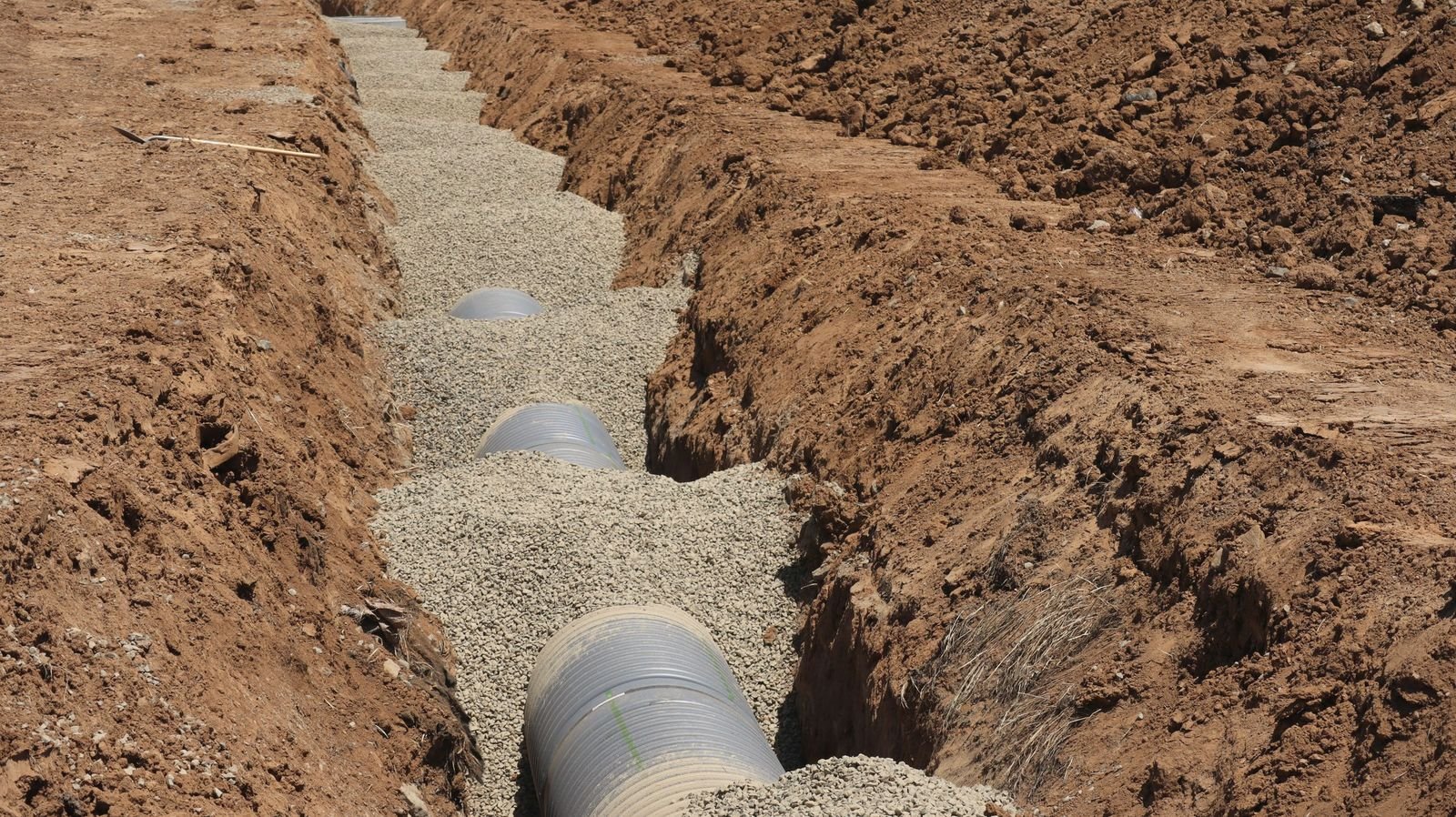
Electric and gas service trenches from the road to the house, drain lines, and conduit. Cut to the depth the utility wants, bedded, and closed up clean.
- Utility service trenches from the right-of-way to the building
- Footing drains, downspout and yard drain lines
- 811 marks first, every time
Dozing and grading
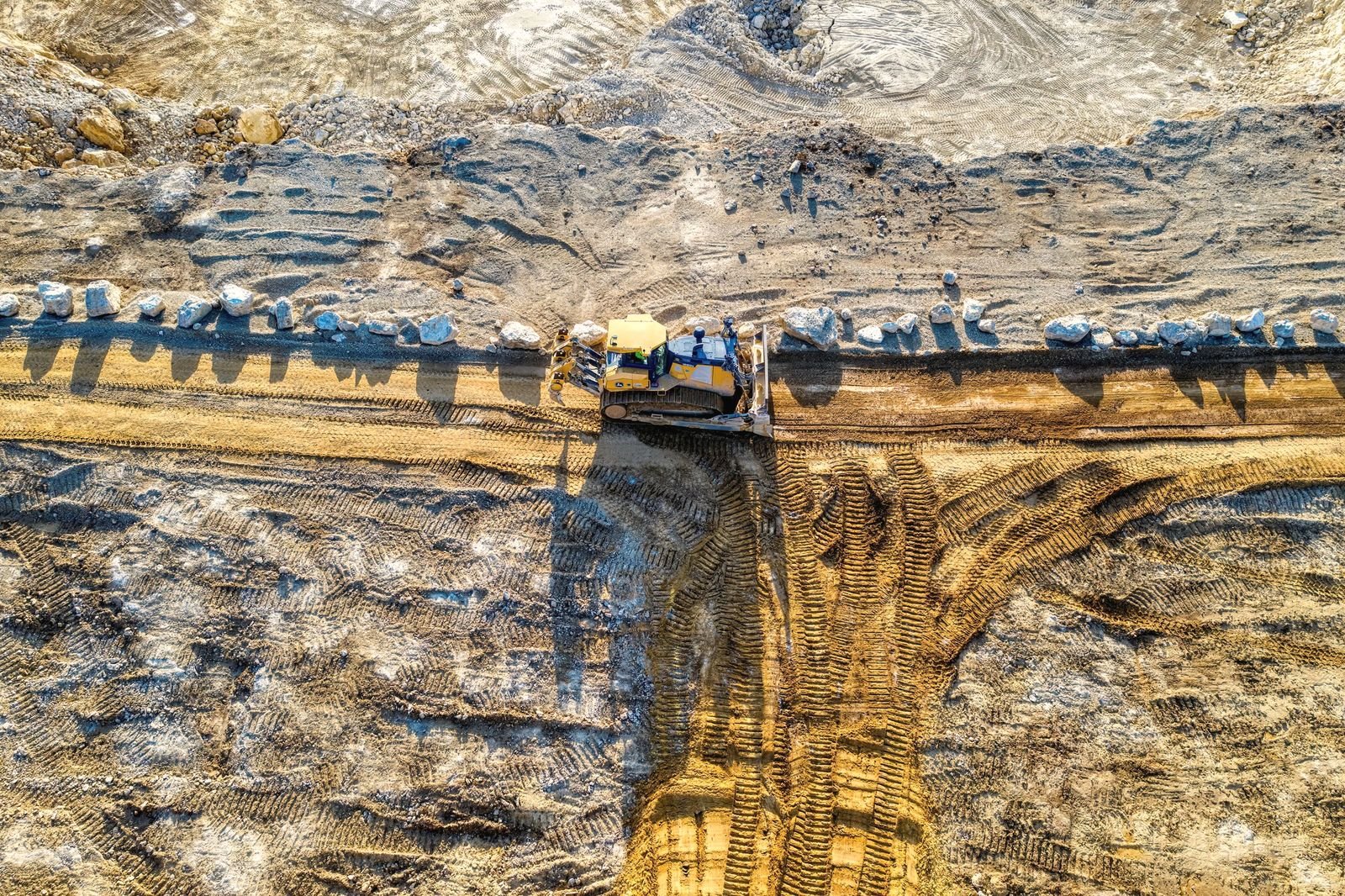
Building pads for houses and pole barns, rough and finish grade around a new house, swales to move water where it should go, and spreading the stockpile back out at the end.
- Pads and rough grade
- Finish grade for seed or sod
- Drainage fixes on lots that hold water
Site prep
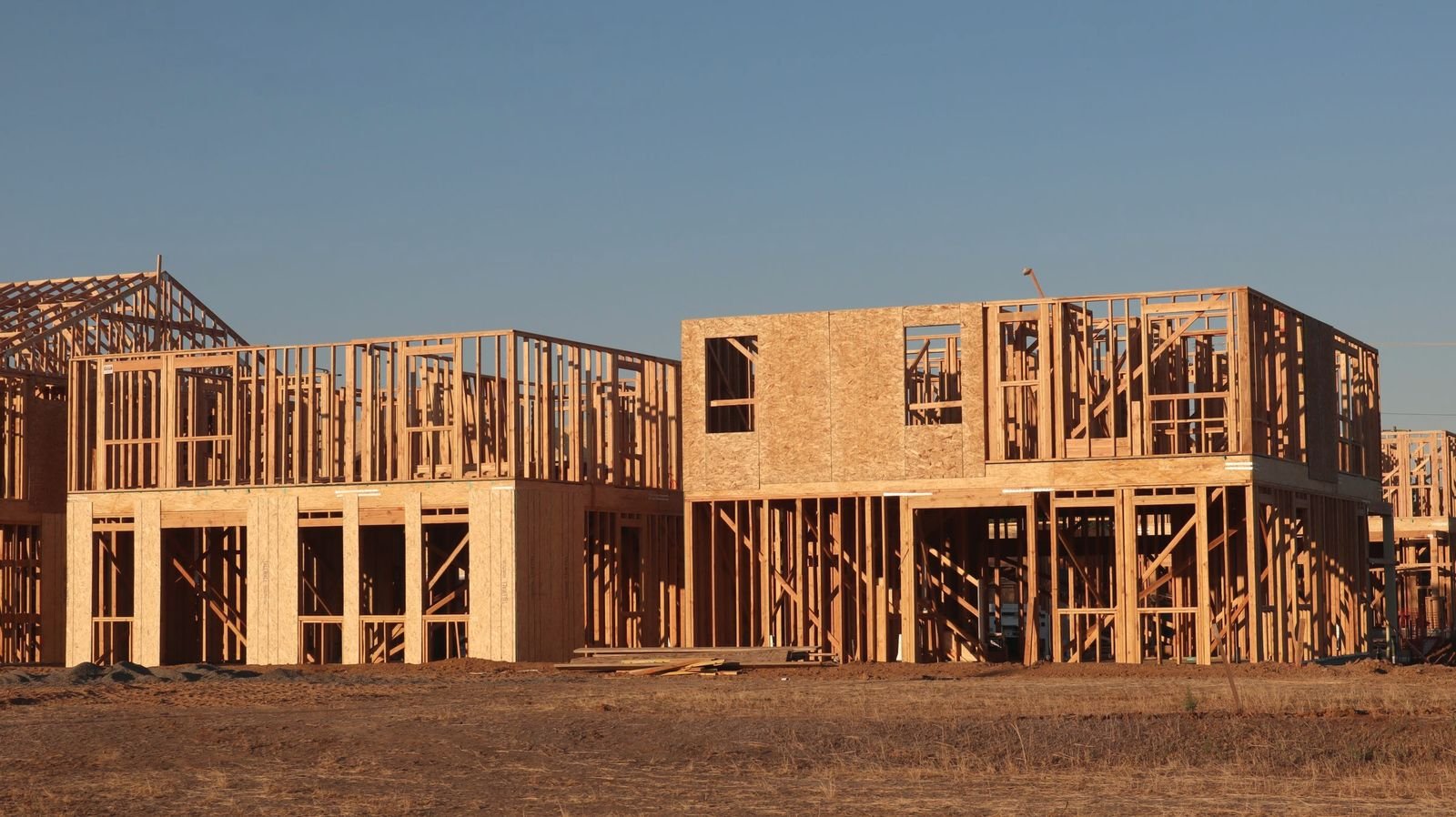
Getting a lot ready to build on: clearing, stripping, the construction drive, and hauling the spoils out with our own trucks.
- Clearing and stripping
- Construction drives so the concrete trucks can get in
- Light commercial site work
The rules every dig runs into.
Not fine print. These are the steps that set the schedule, so you should know them before you call anyone.
- Indiana 811: two full working days' notice before digging
- Fort Wayne sewer taps: City-licensed contractor, inspected before backfill
- Septic: county permit, soil evaluation, registered installer, county inspection
- Footings: below frost, 36 inches in northern Indiana
- The house itself: building permit from the county or city
- Topsoil: stripped and saved, not hauled off
Not sure which one you need?
(260) 489-3833Describe the problem and we will tell you what it takes. Most questions are settled in one short call.
Request a quote